Why do we call some writing “literature”? What makes us label something “art”? Why are art and literature important?
These are all questions we will seek to answer this semester in ENGL 262G: The Art of Literature, as we refine our close reading skills, encounter new critical lenses, and explore what lies ‘beyond the book.’
Latest
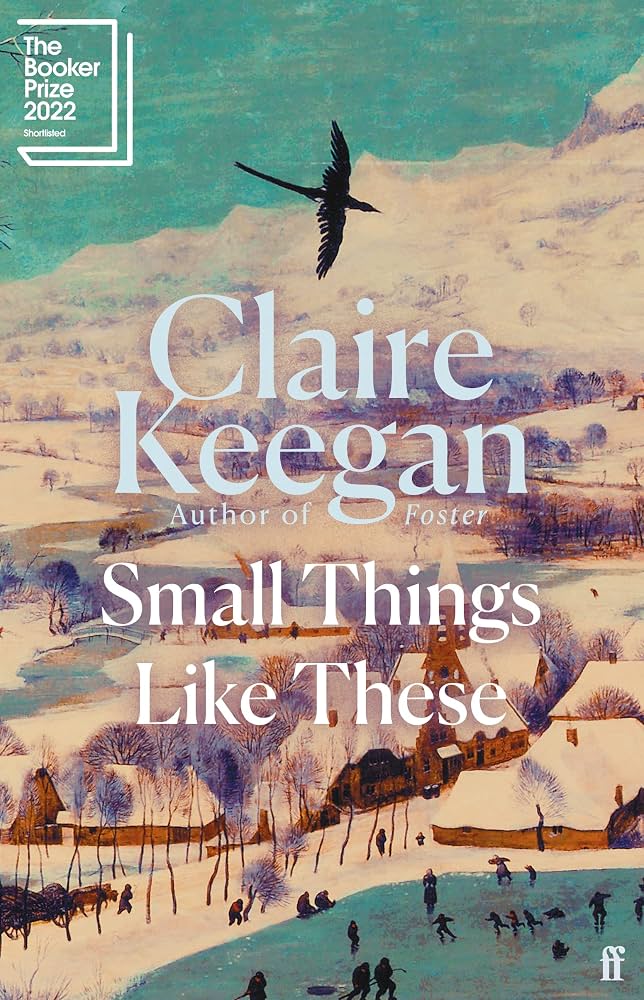
Reads


Why study art and literature? Neil deGrasse Tyson has a bit to say on the matter:
This is a safe space
Throughout the semester, we will explore texts that address challenging subject matter and themes. It is of the utmost importance that we approach these texts with an open mind and respect.
Inappropriate language, imagery, discussions, etc., will not be tolerated.
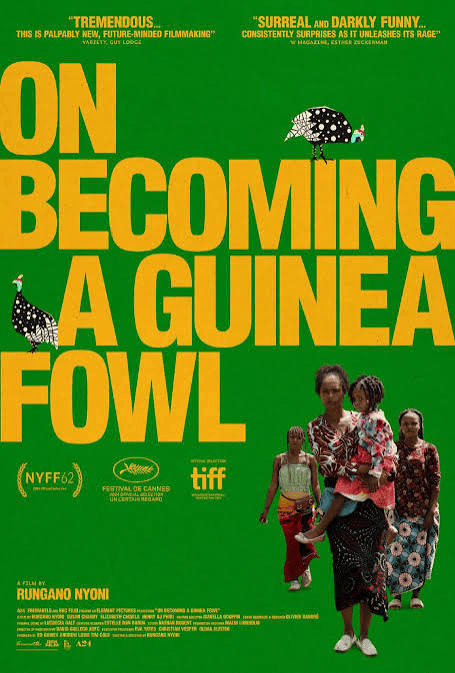
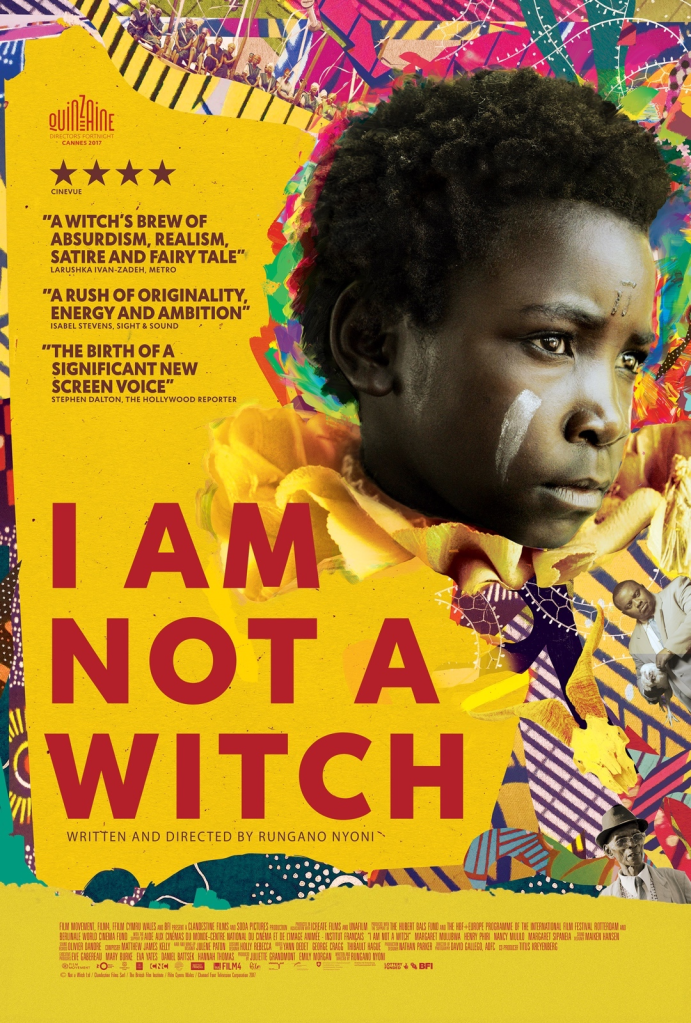
ENGL 262G Watchlist:
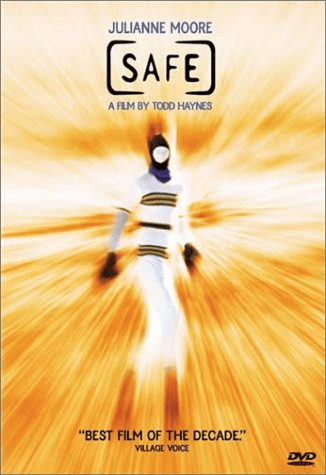
We read and write not only to create and consume stories, but also to see ourselves reflected in the words of others and to explore life through entirely different eyes.
Look for the holes in every fence….
Now Reading
This Week…
Date
September 25th
Lesson
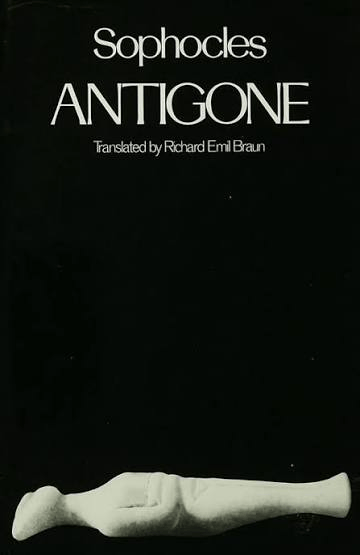
Braun’s Antigone
This week’s class is canceled as I will be out of town!
Your assignment is to read the entirety of Richard Emil Braun’s Translation of Antigone.
For “attendance” this week, everyone will pass in the pre-, close-, and post-reading questions that are posted to Canvas under the Week 3 module.
While you are required to bring a physical copy of the text to class, below is a PDF version of Braun’s translation for anyone whose copy won’t come in time for them to complete the reading questions by Friday.
As you read, keep in mind the literary elements and close-reading skills that we discussed while analyzing our three short stories last week. Consider the diction (word choice), symbolism and allusions, patterns, punctuation, characterization and character relationships, setting, etc. (please feel free to consult the close-reading guide if you’re stuck).
As you read Antigone, make sure to annotate or keep detailed, handwritten “what, how, why” notes, as I will be doing a graded book check when we meet again on 10/2 (guidelines posted to Canvas).
*Themes to consider as you read:
- Individual vs. Collective
- Personal vs. Political
- Divine vs. Human
- Patriarchy
- “Tainted” Blood/Legacy (fate vs. free will)
- Grief
- Loyalty
~Prof. Arous Nieves
Upcoming Meetings
Antigone
NO CLASS
Read: Entirety of Antigone (Braun Translation)
Each student must submit their answers to the reading questions by 9/25 at 5:00 pm.
Week 4 posts are due 10/1 by 11:59 pm (guidelines+requirements posted to Canvas).
Antigone and On Becoming a Guinea Fowl : Grief, Family, and Patriarchy
October 2
Read: Antigone (bring physical copy to class; I’m doing a graded book-check. you have been warned)
Watch: On Becoming a Guinea Fowl (Nyoni, 2024)
At the beginning of class, we will have our first reading quiz, and I will check everyone’s annotations or “what, how, why” notes (see Canvas for assignment sheet)
Then, our first bloggers will present their posts!
Week 5 posts are due by 10/8 at 11:59 p.m.
On 10/9, to close out Unit 1, we will be starting with our in-class close-analysis paper; please come prepared with a copy of your text.
I Am Not a Witch and Paper 1
October 9
Watch: I Am Not a Witch (Nyoni, 2018)
From 1:00pm to 2:00pm, students will have time to write their first paper (see Canvas for the assignment sheet).
Then, after the break, our week 5 bloggers will present!
We will finish class with a discussion of Rungano Nyoni’s 2017 film I Am Not a Witch and introduce the theme of ‘othering’ that we will be following throughout our course texts for the rest of the semester.
Latest Discussions
Frequently Asked Questions
How does the blog ‘work’?
Each week, 3 people will respond to the blog prompt of the week in 500 words or more. Everyone else will need to leave at least one thoughtful comment of 100 words or more. All posts should be uploaded to the site by 11:59 p.m. on the Thursday before class. All commenters should post their replies by the following Monday.
How do I post?
First, you must make sure that you accept the invitation to be a blog author that was sent to your UMB email. Once an author, you will see a plus sign (+) with the word “New” at the top of the screen. Click the plus sign and select “post.” Once you are ready to publish your post, you will open the sidebar and click on the “categories” drop-down menu. Select the discussion number you are responding to, and press the blue “Publish” button in the top right corner!
Content Warnings?
The texts we will read this semester deal with some heavy, sensitive topics, including depictions of violence, racism, suicide, etc. If you have any concerns, please don’t hesitate to reach out to the instructor directly.

